How to Label Bedding Sets in a Small Closet
Make bedding easier to retrieve in a tight closet: label each complete set by bed and size, keep the label facing out, and give loose pieces one home.
Type to search articles, supplements, categories…
Sleep Science Review
Mattresses, pillows, bedding, cooling, light, noise, and sleep-tech buying guides focused on practical trade-offs.
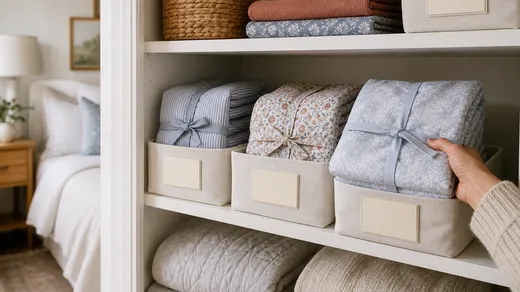
Make bedding easier to retrieve in a tight closet: label each complete set by bed and size, keep the label facing out, and give loose pieces one home.

Choose a bed blanket by its listed width and length: measure the mattress, decide on side and foot drape, then check the exact dimensions before buying.
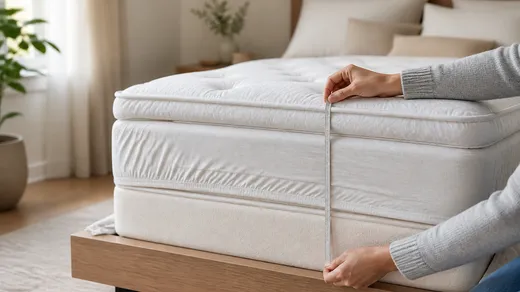
Measure your complete mattress stack, compare it with the exact fitted-sheet pocket range, and avoid corners that pop off or loose fabric that bunches.
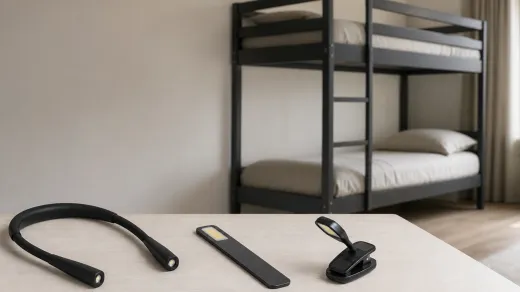
Compare three exact Glocusent reading-light identities by neck-worn, reading-material-attached, and clip-on form for a bunk or loft-bed context.

Compare blackout-curtain panels for bedroom fit, panel width, length, headings, care, and current Amazon return terms.
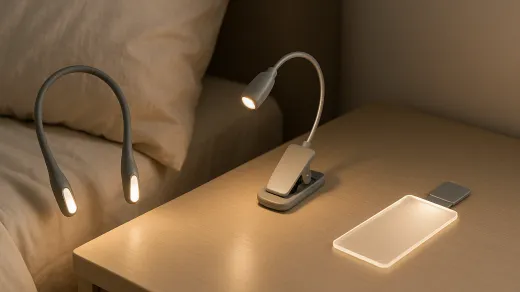
Compare three bedside reading-light options by attachment point, aiming, controls, charging, and return checks.

Choose a bedroom air purifier by room size, CADR, low-speed noise, filter costs, and placement instead of a vague whole-home claim.
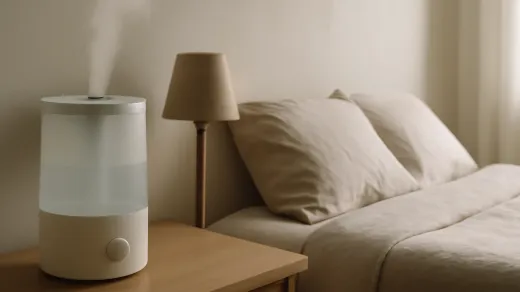
Compare ultrasonic cool-mist and evaporative bedroom humidifiers by cleaning routine, mineral dust, tank size, filter costs, and placement.

Compare linen and cotton percale sheets for hot sleepers by texture, moisture feel, pocket depth, laundering, and ownership tradeoffs.
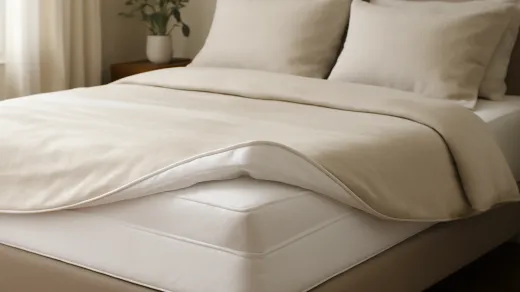
Choose a six-sided mattress encasement or fitted protector by coverage, zipper design, depth, laundry burden, and bedbug-label limits.
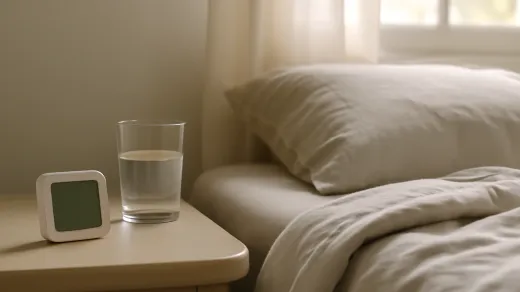
Use a bedroom humidity monitor to check dry or damp room patterns, sensor placement, temperature readings, and when a humidifier is not the fix.

Choose a wedge pillow for nighttime reflux by incline height, torso length, stability, cover care, and a returnable fit test.
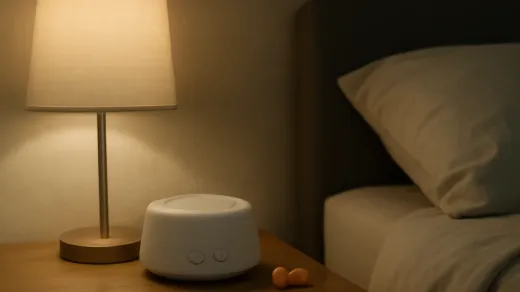
Choose a white noise machine by fan sound, non-looping audio, bedroom controls, display lights, travel power, volume range, and return terms.
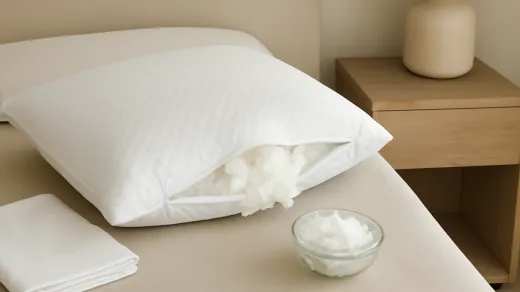
Compare adjustable pillows for side sleepers by loft range, fill access, shoulder width, cover feel, washability, and return-window testing.

Choose split king sheets for an adjustable bed by fitted-sheet layout, pocket depth, elastic, top-sheet style, and independent-side movement.
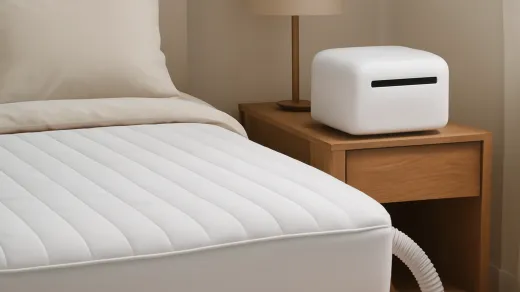
Compare passive cooling pads, BedJet airflow, and Eight Sleep style smart covers by heat source, noise, maintenance, fit, and subscription friction.
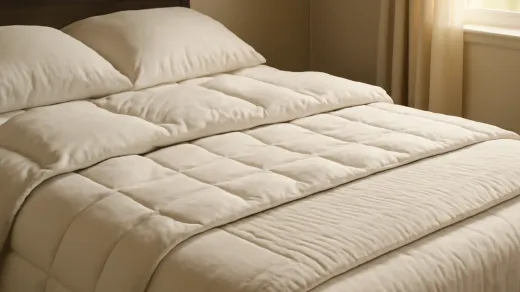
Compare duvet inserts, comforters, and quilts by warmth, washing, cover attachment, bed-making, storage, and realistic price bands.
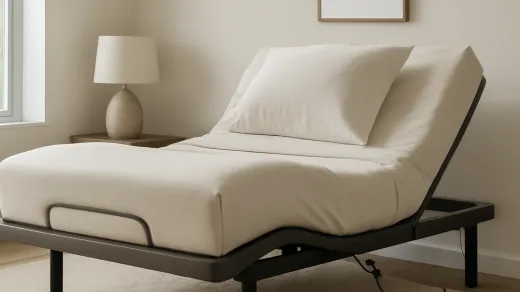
Choose an adjustable bed frame by mattress compatibility, split-king setup, preset controls, wall clearance, delivery weight, and return friction.
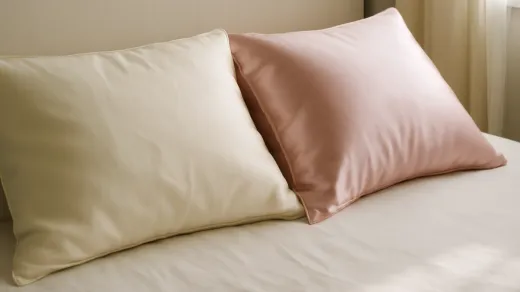
Compare silk and polyester satin pillowcases by fiber label, momme, closure, wash care, price, and replacement cost before you buy.

Compare boxed mattresses for side sleepers by firmness feel, shoulder give, edge support, cooling notes, delivery setup, and return friction.
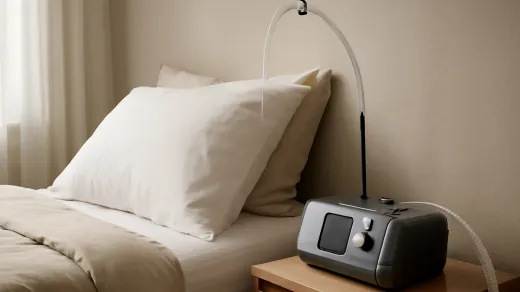
Set up a CPAP hose holder for side sleeping by checking bed layout, swivel range, tubing slack, mask pull, and cleaning access.

Compare foam earplugs, white-noise machines, and fan noise for traffic, partners, pets, and apartment bedrooms.
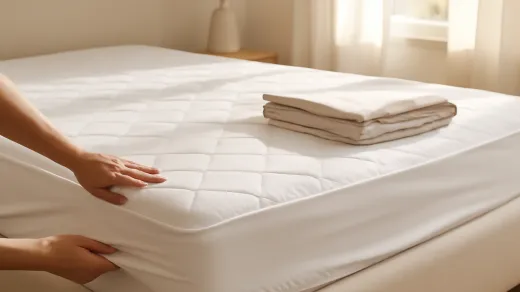
Choose a mattress protector for hot sleepers by comparing membrane feel, pocket depth, noise, wash rules, and return terms.
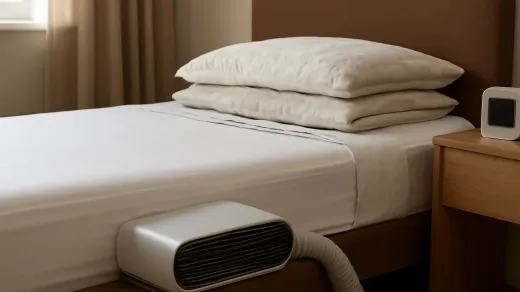
Compare bed fans, water-circulating pads, and passive cooling layers by heat source, noise, maintenance, and mattress fit.
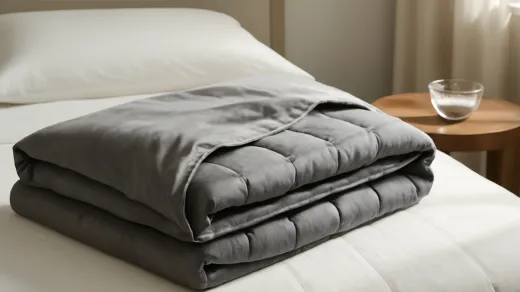
Choose a weighted blanket by body weight, fill security, cover washability, heat risk, and return terms before adding pressure to the bed.
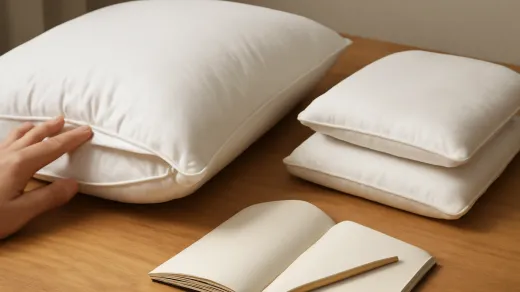
Choose an adjustable pillow by loft range, fill behavior, washability, and side/back sleep fit instead of chasing one perfect height.
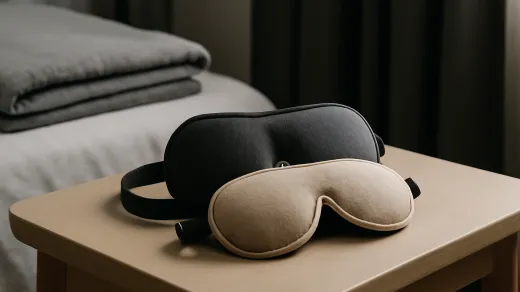
Pick a blackout sleep mask by light seal, eye-cup clearance, strap comfort, cleaning, and side-sleep fit.

Compare breathable sheets, mattress protectors, and active cooling pads for hot sleepers before replacing the whole mattress.
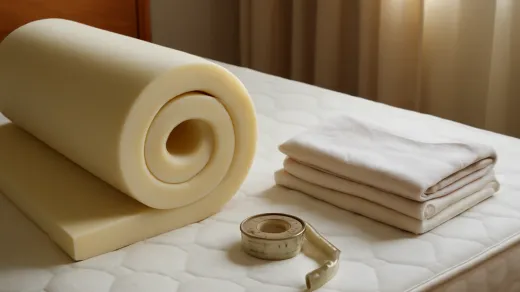
Decide whether a topper, mattress pad, or full mattress replacement is the right fix for pressure, heat, sagging, or motion transfer.
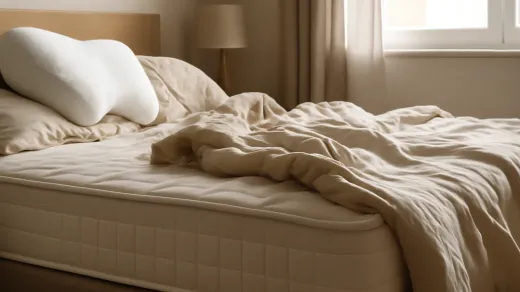
Choose a side-sleeper mattress by pressure relief, lumbar support, return terms, and materials instead of firmness labels alone.
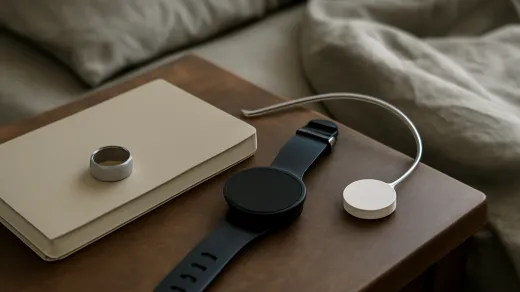
Choose a sleep tracker by comfort, battery life, sensor limits, subscription cost, and whether the data will change your routine.
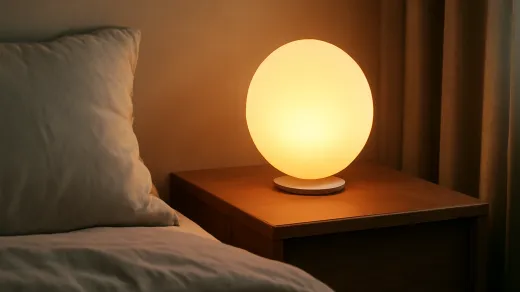
Use a sunrise alarm clock as a bedroom cue with realistic expectations about brightness, timing, backup alarms, and winter mornings.
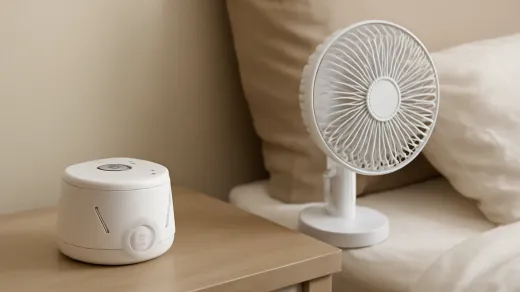
Compare white noise machines, fans, and simple sound routines for masking intermittent bedroom noise without adding new sleep problems.