Sunrise Alarm Clock Setup Guide: Light Placement, Sound Backup, and Who Should Skip It
Use a sunrise alarm clock as a bedroom cue with realistic expectations about brightness, timing, backup alarms, and winter mornings.
For readers troubleshooting a sleep setup without changing prescribed care.
Protocol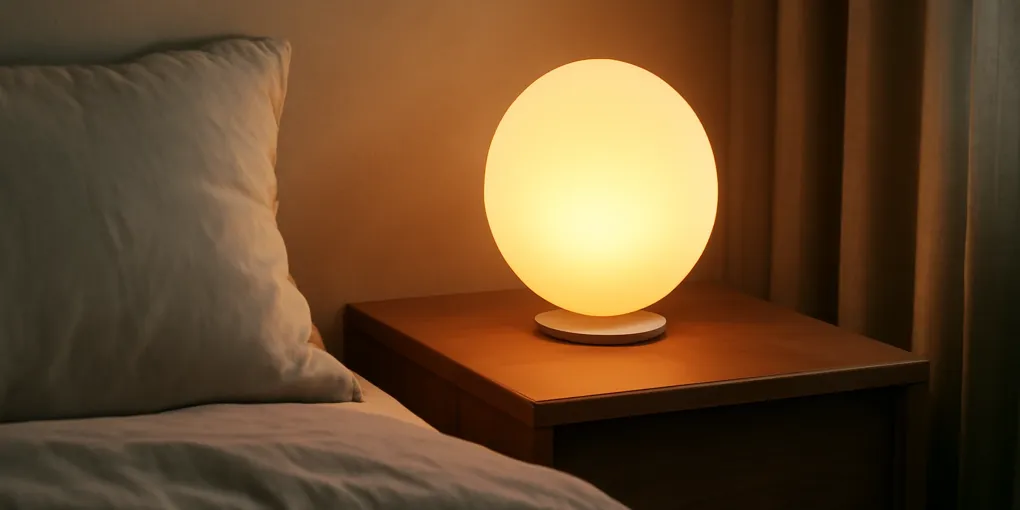
Quick picks
| Product | Key Specs |
|---|---|
| See price on Amazon |
|
| See price on Amazon |
|
| See price on Amazon |
|
Product availability, certifications, and retailer details can change; check the current Amazon page before buying.
A sunrise alarm clock is not a medical light box and it is not a guarantee of easy mornings. It is a timed light cue. That can be useful if your room is dark at wake time, your phone alarm feels jarring, or you want a gentler pre-alarm routine. The setup matters more than the marketing: distance, angle, ramp time, backup sound, and what happens on weekends.
A sunrise alarm works best when the light path, clock placement, and backup sound match the bedroom, not just the product’s brightness claim. This setup guide helps you decide where to place the lamp, when to add blackout control, and who should skip the category.
For a separate window-treatment decision, see our blackout curtains for bedrooms guide.
For light used only while reading in bed, not a wake-up routine, see bedside reading lights for shared bedrooms.
For a separate comparison of neck-worn, reading-material-attached, and clip-on forms in a bunk or loft context, see our reading lights for bunk beds guide.
Quick picks
- Place it where light reaches your face: Search Amazon for Philips SmartSleep Wake-up Light HF3520 when a gradual bedside light cue fits the room layout and wake time.
- Keep a sound backup: Search Amazon for Hatch Restore 2 sunrise alarm when heavy sleepers need a loud backup plus gentler light ramp.
- Use the same wake window for a week: Search Amazon for Kasa smart plug bedside lamp when smart features help scheduling without adding bedtime phone friction.
Comparison shortlist
| Buy/search action | Best fit | Main caveat |
|---|---|---|
| Search Amazon for Philips SmartSleep Wake-up Light HF3520 | Measuring the actual bedroom problem before spending more | Check dimensions, cleaning instructions, and return terms before ordering. |
| Search Amazon for Hatch Restore 2 sunrise alarm | Changing the layer closest to the sleeper | Avoid products that hide basic materials or warranty exclusions. |
| Search Amazon for Kasa smart plug bedside lamp | Solving the specific comfort bottleneck | Do not let a gadget replace fixing obvious light, sound, or climate problems. |
What sunrise alarms can and cannot do
A wake light can make a dark room less abrupt before the sound alarm. It cannot make up for too little sleep, an inconsistent schedule, or a room that stays noisy after wake time. Treat it as a cue that supports a routine, not as therapy by itself.
Placement and brightness setup
Put the lamp where the glow reaches your face without shining directly into a partner. Start with a 20 to 30 minute ramp and a moderate brightness, then adjust after several mornings. If the lamp sits behind books or below the mattress line, much of the light is wasted.
Sound backup and phone boundaries
Heavy sleepers should keep a sound backup until the light cue is proven. Use a gentle built-in sound or a separate alarm across the room. If the phone remains the backup, keep it away from the pillow so the wake routine does not turn into late-night scrolling.
When to consider a clinical light box instead
A sunrise alarm is a bedroom convenience product. People considering light exposure for seasonal mood symptoms, shift work, or circadian rhythm disorders should look at clinical guidance and talk with a qualified clinician. Brightness, timing, and eye safety become more important in those cases.
Practical score for this purchase
| Criterion | Weight | How to apply it |
|---|---|---|
| Research | 30% | Use product specifications and room observations before trusting broad claims. |
| Evidence quality | 25% | Give more weight to measurable fit, material, noise, light, or climate details than to vague comfort language. |
| Value | 20% | Include accessories, subscriptions, replacement parts, and return friction. |
| User signals | 15% | Keep the product only if it improves the exact morning or bedtime problem you recorded. |
| Transparency | 10% | Prefer brands that publish dimensions, materials, care instructions, warranty limits, and trial terms. |
Placement before brightness
A sunrise alarm works best when the light reaches the face without shining directly into a partner’s eyes. Put it on the side you face during the last half hour of sleep or angle it toward a pale wall that reflects light softly. A clock hidden behind books or below mattress height may look tidy but fail to deliver enough light. If the room is very bright in summer, pair the alarm with curtains so the device, not random sunrise timing, controls the cue.
Sound backup and schedule discipline
Use a gentle sound backup for the first week, especially if missing an alarm has real consequences. Set the light ramp to start 20 to 30 minutes before the required wake time, then keep the wake time consistent enough to learn whether the cue helps. Do not judge it after one late night. If the alarm includes birds, radio, or app sounds, pick the least annoying option and keep volume low. The goal is a smoother wake-up, not a new bedroom gadget that wakes a partner earlier than needed.
Who should skip or be cautious
Skip a sunrise clock if you need complete darkness until a partner wakes, if a child or pet will play with the controls, or if the clock face itself is too bright at night. People with light-sensitive migraines, eye conditions, or a clinician-managed sleep schedule should treat bright-light changes carefully and ask their clinician when unsure. If your real issue is going to bed too late, the clock may help mornings but will not replace an evening light and screen routine.
FAQ
Where should I put a sunrise alarm clock?
Put it on the side of the bed where the glow reaches your face during the ramp. Avoid hiding it behind books, below the mattress line, or where it shines mainly at a partner.
Do sunrise alarms work for heavy sleepers?
Use a sound backup until you know. Heavy sleepers may like the light cue but still need a separate alarm across the room for reliability.
Is a sunrise alarm the same as light therapy?
No. A sunrise alarm is a convenience wake cue. Clinical light therapy uses specific brightness, timing, and safety considerations for health-related use cases.