Mattress Protector Checklist for Hot Sleepers: Waterproof, Quiet, and Breathable Picks
Choose a mattress protector for hot sleepers by comparing membrane feel, pocket depth, noise, wash rules, and return terms.
For readers troubleshooting a sleep setup without changing prescribed care.
Protocol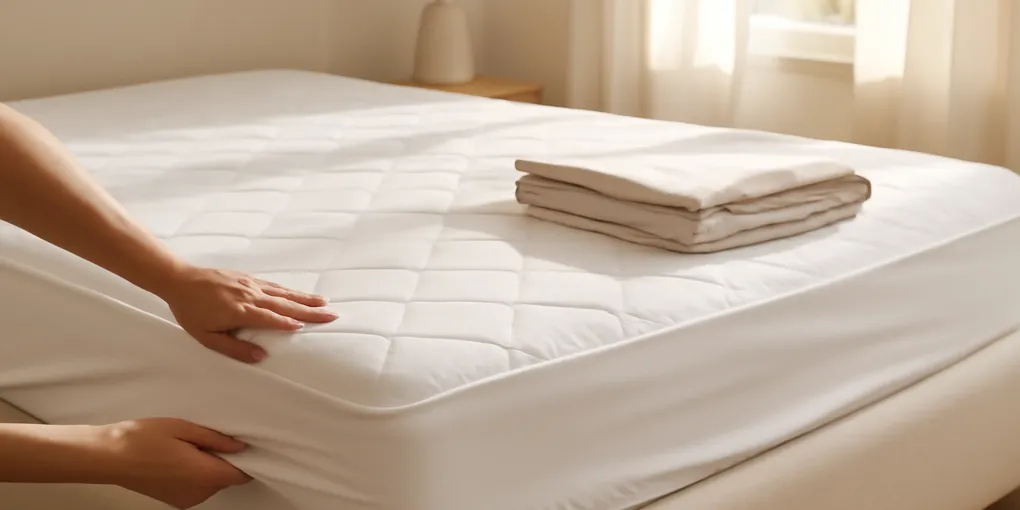
Quick picks
| Product | Key Specs |
|---|---|
| See price on Amazon |
|
| See price on Amazon |
|
| See price on Amazon |
|
Product availability, certifications, and retailer details can change; check the current Amazon page before buying.
A mattress protector is the least glamorous layer on the bed, but it can decide whether a hot sleeper blames the mattress for the wrong problem. A protector has to block spills and sweat without making the bed feel like a plastic picnic table. The right choice depends on three practical checks: how the waterproof membrane feels, whether the fitted skirt grips your mattress height, and how the protector behaves after repeated washing.
This is a protocol, not a promise that one fabric sleeps cool for everyone. Use it when your mattress still feels supportive but the surface feels clammy, noisy, or hard to clean. If the whole bed is too warm, compare this checklist with our cooling sheets vs cooling mattress pad guide before buying a second layer.
Quick picks
- Choose spill protection first: Search Amazon for SafeRest Premium mattress protector when a guest bed, child, pet, or rental mattress needs a washable waterproof barrier.
- Protect a flexible foam surface: Search Amazon for Purple Mattress Protector when a stiff protector would fight the feel of a foam or grid mattress.
- Replace a crinkly protector: Search Amazon for Coop Home Goods Ultra-Tech mattress protector when noise and laundry behavior matter as much as waterproofing.
Fit checklist before you buy
| Buy/search action | Best fit | Main caveat |
|---|---|---|
| Search Amazon for SafeRest Premium mattress protector | Waterproof protection on a budget mattress or guest bed | Measure mattress height and check whether the surface has repeated noise complaints. |
| Search Amazon for Purple Mattress Protector | Stretch-sensitive foam, latex, or grid mattress feel | Return it if the protector reduces pressure relief or slides under the fitted sheet. |
| Search Amazon for Coop Home Goods Ultra-Tech mattress protector | A quieter replacement for a plasticky waterproof layer | Check drying rules because thick waterproof layers can stay damp at the seams. |
The 10-minute protector audit
Strip the bed and read the law tag or online listing for the mattress depth. Then check the current protector. If it has a vinyl-like face, stiff seams, loose elastic, or a surface that crackles when you press your palm into it, it is a likely comfort suspect. If it is stained, stretched out, or too shallow for the mattress, it may also be failing its actual job.
Next, rebuild the bed with the protector and your normal fitted sheet. Lie in your usual position for two minutes and shift your shoulders and hips. Listen for rustle, feel for bunching, and notice whether the fitted sheet pulls tight enough to flatten the protector. A protector that fails this dry test usually feels worse after a warm night.
Waterproof membrane versus breathable surface
Most waterproof protectors use a thin membrane under a knit, terry, cotton, polyester, or blended face. The membrane does the spill blocking. The face fabric decides much of the skin-level feel through the fitted sheet. A very thin protector can feel cooler and quieter, but it may protect only the top surface. A thicker quilted pad can feel softer, yet it adds loft and can trap more heat.
Hot sleepers should avoid vague cooling claims unless the product also gives dimensions, care rules, and a realistic trial or return path. Waterproofing is a physical tradeoff: the layer must block liquid, so your job is to find the thinnest, quietest barrier that still fits the mess risk. If the room, duvet, or mattress foam is the real heat source, a protector will not fix it by itself.
Pocket depth and mattress feel
Pocket depth is not optional. A 14-inch mattress with a two-inch topper needs a protector that can stretch over the full stack without pulling upward at the corners. Too-shallow protectors pop off, bunch at the hips, and make the fitted sheet feel tighter than it should. Too-loose protectors wrinkle under lightweight sheets and can create a hot ridge under the sleeper.
For memory foam, latex, and grid-style mattresses, stretch matters. A stiff protector can reduce contouring and make shoulder pressure feel worse. If you bought the mattress for pressure relief, choose a protector that moves with it. Test this during the return window by lying on the protected mattress without a heavy comforter masking the surface feel.
Laundry rules decide long-term comfort
A protector that cannot survive your laundry routine is not a good protector. Check whether the care label allows warm water, low tumble drying, bleach, fabric softener, or commercial machines. Waterproof membranes can delaminate or crack when overheated. Deep elastic can also stretch out if dried too hot.
Buy a second protector if bedwetting, night sweats, pets, or spills are common. One protector on the bed and one in the wash keeps you from skipping the barrier after an accident. For hot sleepers, this also lets you air-dry the waterproof layer instead of overheating it in a dryer because bedtime is close.
Practical score for this purchase
| Criterion | Weight | How to apply it to a protector |
|---|---|---|
| Research | 30% | Measure mattress height, topper thickness, and current protector noise before shopping. |
| Evidence quality | 25% | Trust published dimensions, care labels, material descriptions, and return terms over broad cooling language. |
| Value | 20% | Price two protectors if accidents are frequent because laundry rotation affects real use. |
| User signals | 15% | Keep it only if the bed feels no noisier, no warmer, and no tighter after three ordinary nights. |
| Transparency | 10% | Prefer listings that state waterproof coverage, pocket depth, fabric face, and drying limits clearly. |
When to choose a pad instead
Choose a protector when the job is protection: spills, sweat, allergens, pets, kids, guest use, or warranty hygiene. Choose a cooling mattress pad when the job is changing surface feel, adding washable loft, or reducing heat from the upper mattress layer. Do not stack a thick pad over a noisy waterproof protector and expect a cooler bed. You may hide the noise while keeping the same vapor barrier underneath.
If you already use a mattress topper, check whether the protector should cover the topper only or the entire mattress plus topper. Covering the whole stack can hold layers together, but it may require deeper pockets. Covering only the topper can simplify washing, but the mattress underneath remains less protected.
Three-night return-window test
Night one is the noise test. Make the bed normally and notice crinkle when you roll over. Night two is the heat test. Use your normal pajamas, sheet, blanket, and thermostat so the protector is the only meaningful change. Night three is the fit test. Check whether the corners stayed down and whether the fitted sheet twisted.
Return or exchange the protector if it creates new shoulder pressure, traps enough heat to wake you, shifts under the sheet, or takes too long to dry for your laundry routine. Keep it if the mattress feels the same, the sheet stays flat, and the bed is easier to protect after sweat or spills.
Frequently Asked Questions
What mattress protector is best for hot sleepers?
A thin fitted waterproof protector with clear pocket depth, quiet surface reviews, and washable care rules is the safest starting point. Hot sleepers should reject protectors that add rustle, bunching, or a plasticky feel under their normal fitted sheet.
Does a waterproof mattress protector make the bed hotter?
It can. Waterproof membranes block liquid, and some also reduce vapor movement enough to feel warmer. Test the protector with your real sheets and blanket before blaming the mattress or buying a cooling pad.
Should I buy a cooling mattress pad instead of a protector?
Buy a protector first if spills, sweat, pets, or warranty hygiene are the problem. Buy a cooling pad when you also want a surface-feel change and you have already ruled out sheets, room temperature, and a noisy protector.