Best Adjustable Pillow for Side Sleepers: Loft Range, Fill Access, and Washability
Compare adjustable pillows for side sleepers by loft range, fill access, shoulder width, cover feel, washability, and return-window testing.
For readers comparing sleep-product options before buying.
Buyer's Guide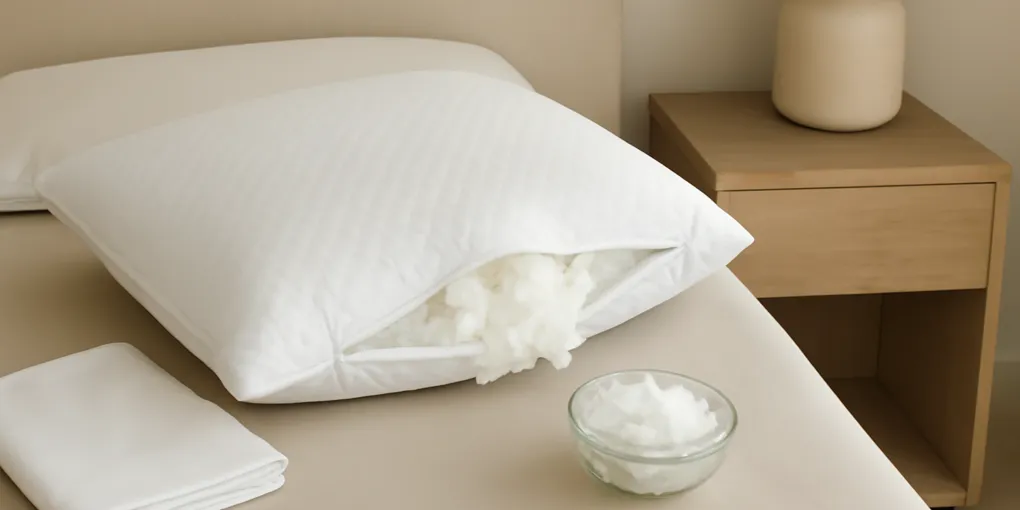
Coop Sleep Goods Original adjustable pillow
Best shredded-fill starting pointProduct type: shredded foam adjustable pillow
Quick picks
| Product | Key Specs |
|---|---|
| See price on Amazon |
|
| See price on Amazon |
|
| See price on Amazon |
|
Product availability, certifications, and retailer details can change; check the current Amazon page before buying.
Side sleepers ask more from a pillow than back sleepers do. The pillow has to bridge the shoulder gap without forcing the neck upward, downward, or forward. An adjustable pillow is useful because you can tune that height after sleeping on it, not because every adjustable pillow is automatically supportive.
If you want the broader loft method, read the adjustable pillow loft guide. This article focuses on product choice: which adjustable pillow type to search, what side sleepers should measure, and how to judge fill access before the return window closes.
Quick picks
- Start with removable shredded fill: Search Amazon for Coop Sleep Goods Original adjustable pillow if you need to add or remove fill over several nights.
- Shortlist a softer adjustable pillow: Search Amazon for Nest Easy Breather pillow if you want tunable loft but dislike a dense foam-block feel.
- Pick a springier non-shredded pillow carefully: Search Amazon for Purple Harmony pillow if airflow and bounce matter more than fine-grained fill adjustment.
The side-sleeper loft test
Lie on your usual mattress, not a showroom bed, and let the pillow settle for several minutes. Your head should feel supported without the chin tilting toward the chest or ceiling. The shoulder should have room to press into the mattress while the pillow fills the space above it. If you wake up pushing your hand under the pillow, loft may be too low. If your jaw or upper neck feels compressed, loft may be too high.
Mattress firmness changes pillow height. A soft mattress lets the shoulder sink deeper, which can reduce the pillow loft needed. A firm mattress holds the shoulder higher, so a side sleeper may need a taller pillow. This is why pillow shopping should follow the mattress decision when possible. If the bed itself is still wrong, compare the side-sleeper mattress firmness guide before blaming the pillow.
Shredded fill gives the widest tuning range
Shredded foam and mixed-fill pillows are the easiest to adjust because you can remove small amounts at a time. Look for a wide zipper opening, a washable cover, a bag for spare fill, and clear instructions. If the pillow sheds fill every time you open it, you will stop adjusting it and lose the main reason to buy adjustable.
The tradeoff is feel. Shredded fill can feel lumpy if underfilled and dense if overfilled. Some pillows need shaking or kneading after adjustment. Odor and airing-out time can also matter, especially if the pillow arrives compressed.
Non-shredded adjustable alternatives
Some pillows offer height choices rather than removable fill. Latex, grid, and molded foam pillows can feel springier or cooler, and they often keep shape better during the night. They are less messy, but they give you fewer second chances. If you choose one, the listed height and return policy matter more because you cannot fine-tune by handfuls.
A pillow with removable inserts can sit between the two categories. Inserts are cleaner than loose fill, but the jumps in height may be too large for a precise side-sleeper fit. Check whether the pillow still feels even when one insert is removed.
Washability, protectors, and spare fill
An adjustable pillow gets handled more than a sealed pillow. You open it, move fill, test it, and sometimes store extra fill in a closet. That makes cleaning and protection important. The outer cover should be easy to remove and wash. The inner liner should keep fill contained. A pillow protector can reduce how often the main cover needs washing, but it should not make the pillow stiff or noisy.
Check whether the brand sells replacement covers or fill. A pillow that is adjustable on day one but impossible to refresh after a year is less valuable than it looks.
Return-window testing
Do not judge an adjustable pillow after one nap. Start slightly overfilled, then remove a small amount every two nights until the head feels level. Keep the spare fill in a bag with the date. If the pillow needs constant re-fluffing or collapses before morning, the fill style may not fit you.
Track three things: neck angle, shoulder pressure, and temperature. If changing fill improves one and worsens another, you may need a different material instead of another round of adjustment.
Shoulder width and mattress depth
Side sleepers often talk about neck support when the real variable is shoulder space. A broad shoulder on a firm mattress creates a larger gap between ear and bed. A narrow shoulder on a soft mattress creates a smaller gap. That is why the same pillow can feel perfect for one side sleeper and too tall for another.
Measure indirectly rather than obsessing over inches. If your shoulder stacks high on top of the mattress, start with a fuller pillow and remove fill slowly. If your shoulder sinks deeply, start lower. If you recently changed mattresses or added a topper, reset the pillow test from scratch. Old fill settings may no longer work.
Fill access details that matter
A good adjustable pillow should be easy to open without spilling fill across the bed. Wide zippers, a separate inner liner, and included storage bags make adjustment less annoying. Some pillows arrive with extra fill in a separate pouch; others arrive overstuffed so you remove material. Either can work, but the listing should be clear.
Pay attention to fill texture. Larger foam pieces can feel chunkier but may hold loft. Fine shredded foam can feel smoother but may compact. Down-alternative fiber can feel soft but may need frequent fluffing. Mixed fills can balance softness and shape, but they are harder to compare because the exact blend matters.
Cover feel and heat
The cover is not just decoration. A thick quilted cover can make the pillow feel higher and warmer. A slick cover can slide in the pillowcase. A stretchy cover can let the fill contour more. If you already sleep hot, do not assume a cooling label fixes a dense overfilled pillow. Heat often improves when you remove excess fill because airflow and compression change.
Washability is part of heat and hygiene. Side sleepers put more face contact on the pillow edge, and adjustable pillows get opened during tuning. A washable outer cover and breathable protector are practical, especially if the inner fill cannot be washed.
Return-window tuning plan
Use a simple plan instead of random nightly changes. Start with the pillow slightly higher than you think you need. Sleep two nights. Remove a small amount of fill and store it. Sleep two more nights. Stop when the head feels level, the shoulder is not jammed upward, and you are not folding the pillow under itself.
Do not chase one strange night. Judge patterns. If the pillow feels good at bedtime but collapses by morning, the fill may be too soft or underfilled. If it feels supportive but creates jaw pressure, it may be too high or too firm at the edge. If it stays level but feels hot, material choice may matter more than loft.
When to choose a non-adjustable height
A non-shredded pillow can be better when you hate loose fill, want a cleaner shape, or need springier recovery as you roll. The tradeoff is that the height must be right from the start. Choose brands that publish low, medium, and tall options, then pick based on mattress firmness and shoulder width.
If you are between heights, side sleepers on firmer mattresses often prefer the taller option, while side sleepers on plush mattresses may prefer medium. Return terms matter because height charts are only estimates.
Final buying filter
Before checkout, write down the one bedroom problem this product must solve and the one friction point that would make you return it. That keeps the purchase grounded in the actual bed instead of the longest feature list. For mattresses and bases, the friction is often delivery, weight, or return pickup. For pillows and climate products, it is usually cleaning, setup, heat, sound, or controls in the dark.
Use the product page to verify concrete details: size, materials, warranty length, support contact, return window, fees, and care instructions. Use reviews to verify ownership details that brands understate: odor, noise, loose parts, weak seams, light leakage, app annoyance, and customer-service delays. A product with one impressive spec and vague ownership terms is a weaker buy than a plainer product that explains setup and returns clearly.
Do not keep a product because it was hard to unbox. Keep it because it solves the original bedroom problem after several normal nights, with controls, cleaning, and return terms you can live with.
Adjustable pillow FAQ
Should side sleepers use two pillows?
Usually no. Two stacked pillows can shift and create a steep angle. A single adjustable pillow that holds the right loft is cleaner.
What is the biggest pillow shopping mistake?
Buying by softness alone. Side sleepers need height, shape retention, cover feel, and a return policy, not just a plush first touch.
Are cooling pillows worth it?
They can be if pillow heat is the problem. If the whole bed feels warm, compare cooling layers in the bed cooling system buying guide.
Frequently Asked Questions
- Enough to fill the shoulder gap without tipping the chin up or down. Shoulder width, mattress firmness, and body size change the answer.
- Shredded foam is easier to tune. Latex or grid pillows can feel cooler and springier, but they usually offer less after-purchase adjustment.
- At minimum, the cover should be washable and the fill should be protected from spills and sweat. A protector is worth considering for pillows you open and adjust.