Weighted Blanket Buying Guide: Fill, Weight, Covers, and Who Should Skip One
Choose a weighted blanket by body weight, fill security, cover washability, heat risk, and return terms before adding pressure to the bed.
For readers comparing sleep-product options before buying.
Buyer's Guide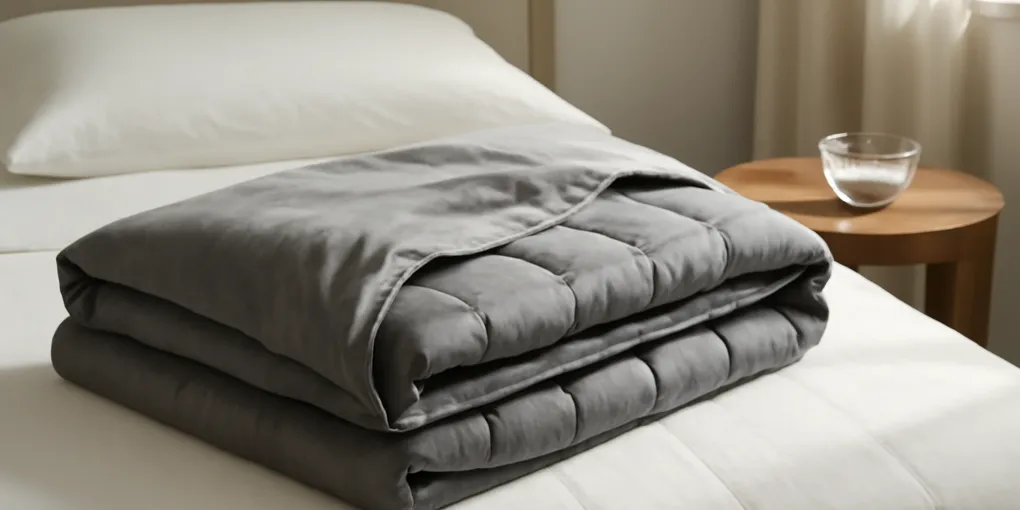
Baloo cotton weighted blanket 15 lb
Best cotton-cover checkProduct type: glass-bead weighted blanket
Quick picks
| Product | Key Specs |
|---|---|
| See price on Amazon |
|
| See price on Amazon |
|
| See price on Amazon |
|
Product availability, certifications, and retailer details can change; check the current Amazon page before buying.
A weighted blanket is not just a heavier throw. It changes how easily you roll, uncover, and manage heat during the night. The right one can feel grounding for some adults; the wrong one becomes a hot, hard-to-wash layer that makes the bed feel trapped rather than calm.
This guide treats a weighted blanket as a bedding purchase with safety limits. If you are still choosing pillow height, fix that first with the adjustable pillow loft guide. If your main complaint is heat rather than restlessness, compare this decision with the cooling sheets versus mattress pad guide before buying another heavy layer.
Quick picks
- Choose cotton and washable covers first: Search Amazon for Baloo cotton weighted blanket 15 lb if you want a calmer fabric feel and can pay more for materials and cover options.
- Try the weight class on a tighter budget: Search Amazon for YnM 15 lb weighted blanket 48 x 72 inch if you need several size and weight choices but will inspect stitching and cover compatibility carefully.
- Shortlist easy-care sizes: Search Amazon for Luna cotton weighted blanket 15 lb queen if laundry logistics and removable-cover availability matter as much as the blanket itself.
Start with who should not use one
Do not buy a weighted blanket for a baby. The American Academy of Pediatrics safe-sleep guidance tells caregivers to keep weighted blankets, weighted sleepers, and similar weighted products out of infant sleep spaces. For older children, the blanket should be light enough for the child to remove without help, and the caregiver should be comfortable with the added weight and heat.
Adults should also skip or get clinician guidance first if they have limited mobility, breathing problems, pressure injuries, severe overheating, or any condition that makes it hard to remove bedding quickly. The product page will not screen those situations for you. A returnable adult blanket is a shopping decision; using added weight on someone who cannot uncover independently is a safety decision.
Weight is a starting point, not the whole fit
Many brands recommend about 10 percent of body weight. That shortcut is useful for narrowing the shelf, but it should not override the bedroom test: can you turn over, pull one side off, and stand up without strain? A 20-pound blanket spread across a queen bed may feel different from a 20-pound throw concentrated on one sleeper. The same product can feel calming on a firm mattress and oppressive on a soft mattress that already makes rolling difficult.
For most adults, the safest first purchase is a blanket with a clear weight-size matrix and a return window long enough to test several nights. If you are between two weights, choose the lighter option when you sleep hot, have shoulder discomfort, or share a bed. Choose heavier only when you have already tried weighted bedding and know that the extra pressure helps rather than annoys you.
Fill, pockets, and shifting beads
Glass beads are common because they add weight without as much bulk as plastic pellets. The important detail is not just the fill material; it is how the blanket keeps that fill distributed. Small stitched pockets, dense quilting, and secure edge seams reduce the chance that weight pools at the sides or foot of the bed. If product photos show very large squares or vague construction language, read recent buyer reviews for clumping, bead leaks, and uneven corners.
A good weighted blanket should drape without turning into a sandbag. Too much loose fill makes the blanket noisy and lumpy. Too much dense batting traps heat. If you can find the blanket’s pocket size, fabric layers, and cover attachment points before buying, you are less likely to discover the problem after washing the cover.
Cover fabric decides the heat problem
Weighted blankets often fail because of temperature, not because the pressure is wrong. Minky fleece can feel cozy in winter but too warm for hot sleepers. Cotton, bamboo-viscose blends, or smoother microfiber covers can feel cooler, but the actual heat depends on the room, mattress, pajamas, and whether you tuck the blanket around the body.
If you already use a cooling mattress pad or breathable sheets, avoid adding a thick plush cover on top unless you want a winter-only blanket. A removable cover is valuable because it lets you change fabric by season and wash the part that touches skin. Confirm whether the cover is included; some listings sell the inner weighted insert alone.
Laundry and storage checks before checkout
Read the care instructions before you order. A blanket can say machine washable while still exceeding your washer’s safe load, especially when wet. If the inner blanket is spot-clean only, the removable cover becomes mandatory rather than optional. Check whether the cover uses ties, loops, snaps, or a zipper system that keeps the insert from sliding around inside.
Storage matters too. A weighted blanket that lives on the floor beside the bed will collect dust and pet hair. If you plan to use it only during anxious evenings or winter months, make sure you have a breathable storage bag or shelf space where it will stay clean and dry.
Practical score for this purchase
| Criterion | Weight | How to apply it |
|---|---|---|
| Research | 30% | Treat adult calming claims as modest and individual; prioritize safety guidance for children, mobility, breathing, and heat risk. |
| Evidence quality | 25% | Give more weight to product construction, independent removal, and washable-cover details than to broad relaxation language. |
| Value | 20% | Include the cover, seasonal fabric changes, washer limits, and return shipping in the real cost. |
| User signals | 15% | Keep it only if the sleeper can roll, uncover, and wake cooler or calmer over several nights. |
| Transparency | 10% | Prefer brands that publish weight, dimensions, fill type, pocket construction, cover material, care rules, and warranty terms. |
Weighted blanket test during the return window
Use the first night as a movement test, not a final verdict. Lie in your usual position, roll to the other side, uncover one shoulder, and get out of bed. If any step feels stuck, the blanket is too heavy, too wide, or too tucked. On night two, test heat: use the same pajamas and room temperature you normally use so the blanket is the only new variable.
Do not judge a weighted blanket while changing three other sleep products. If you buy a new pillow, mattress topper, and blanket in the same week, you will not know which item changed your sleep. Start with the blanket on top of your regular bedding, then remove or swap covers only after you know whether the weight itself works.
Size choice for couples
A couple sharing one weighted blanket sounds efficient, but it often creates a tug-of-war. Weight that fits one body may be wrong for the other, and rolling becomes harder when two sleepers anchor the same layer. If only one person wants pressure, buy a throw-size or twin-size blanket for that side of the bed rather than a queen blanket that covers both people.
For couples who both want added pressure, choose based on the lighter sleeper’s ability to uncover independently, not the combined body weight. The combined-weight shortcut can make the blanket unnecessarily heavy for one person and too warm for both.
What to check on the product page
The useful product page gives actual dimensions, weight, fill material, cover fabric, attachment method, care rules, and return terms. Be skeptical when a listing says cooling, breathable, or premium without explaining the fabric and construction. For a queen bed, also check whether the dimensions are meant to sit on top of the mattress or drape over the sides; extra overhang can pull weight toward the floor and make turning harder.
Look for photos or diagrams that show corner loops, cover ties, or zipper placement. A removable cover is less useful if the insert bunches inside it every night. If the listing sells multiple cover fabrics, choose the fabric for the season you will actually use it most. Cotton or smoother bamboo-viscose covers usually make more sense for warm bedrooms than plush fleece. A blanket bought for winter comfort may need a different cover before summer.
When a weighted blanket is the wrong purchase
Do not use a weighted blanket to solve a mattress that is too soft, a pillow that tilts the neck, or a bedroom that is already hot. Added pressure can make a soft mattress harder to move on, and extra fabric can trap warmth. If the main complaint is shoulder pressure, hip pressure, or neck angle, fix support and loft first. If the main complaint is racing thoughts but the bed setup is otherwise comfortable, a lighter throw-size blanket may be a lower-risk trial than a full-bed model.
FAQ
What weight should a weighted blanket be for an adult?
Use roughly 10 percent of body weight only as a starting shelf filter. The better test is whether you can roll, uncover, and get out of bed easily after several minutes under the blanket.
Are weighted blankets safe for kids?
Avoid weighted blankets and weighted sleep products for babies. For older children, use caregiver judgment, a conservative weight, and only a product the child can remove without help.
Do weighted blankets sleep hot?
They can, especially with plush covers or warm rooms. Choose lighter weights, breathable covers, and removable-cover designs if heat already wakes you.