Blackout Sleep Mask Buying Guide: Fit, Eye Clearance, and Travel Use
Pick a blackout sleep mask by light seal, eye-cup clearance, strap comfort, cleaning, and side-sleep fit.
For readers comparing sleep-product options before buying.
Buyer's Guide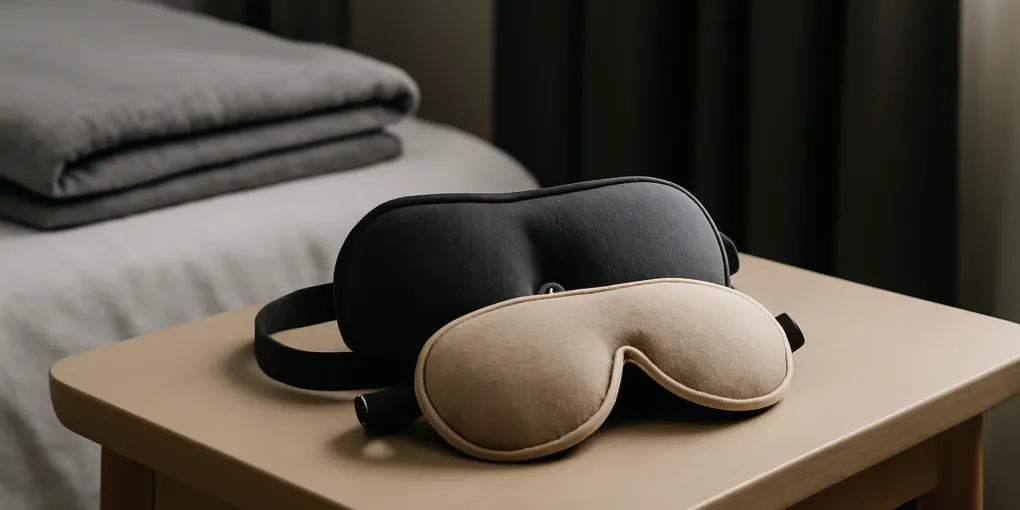
MZOO contoured sleep mask
Best eye clearanceProduct type: contoured sleep mask
Quick picks
| Product | Key Specs |
|---|---|
| See price on Amazon |
|
| See price on Amazon |
|
| See price on Amazon |
|
Product availability, certifications, and retailer details can change; check the current Amazon page before buying.
A sleep mask is simple until it leaks light at the nose, presses on eyelashes, slides into one ear, or traps heat. The right mask depends on where the light enters and how you sleep. A flat silk mask can feel gentle for back sleeping. A contoured mask gives eye clearance for people who dislike pressure. A travel mask needs packability and cleaning tolerance more than perfect bedroom luxury.
A good sleep mask is a fit product first: the nose bridge, eye cups, strap hardware, and fabric edge decide whether it blocks light without pressing on your eyes. Use this guide to match mask shape to travel, side sleeping, and sensitive-skin needs.
Quick picks
- Buy contoured for eye clearance: Search Amazon for MZOO contoured sleep mask when eye clearance matters more than the thinnest possible profile.
- Buy silk for low-profile softness: Search Amazon for Alaska Bear silk sleep mask when you want a soft low-profile mask and can tolerate some eye contact.
- Check the nose bridge before keeping it: Search Amazon for Manta Sleep Mask when nose-bridge tuning and modular cups are worth the extra bulk.
Comparison shortlist
| Buy/search action | Best fit | Main caveat |
|---|---|---|
| Search Amazon for MZOO contoured sleep mask | Measuring the actual bedroom problem before spending more | Check dimensions, cleaning instructions, and return terms before ordering. |
| Search Amazon for Alaska Bear silk sleep mask | Changing the layer closest to the sleeper | Avoid products that hide basic materials or warranty exclusions. |
| Search Amazon for Manta Sleep Mask | Solving the specific comfort bottleneck | Do not let a gadget replace fixing obvious light, sound, or climate problems. |
The light-leak test
Put the mask on, turn toward the brightest leak in the room, and move through your real sleep positions. Most leaks appear at the nose bridge or lower cheek when the pillow changes face shape. If you have to overtighten the strap to seal light, pick a different design.
Side-sleeper strap comfort
Side sleepers should check buckle placement first. Hardware that sits behind the ear or on the temple can feel fine for five minutes and annoying after an hour. A split strap can hold better, but it should not pull hair or shift the eye cups upward.
Cleaning and skin considerations
Masks collect face oil, hair products, and laundry residue. A removable washable cover or quick hand-wash fabric matters if you use the mask nightly. If you have sensitive skin, avoid rough seams around the nose and test the mask without heavy skincare products first.
Travel versus bedroom masks
A bedroom mask can be bulkier if it seals well and stays cool. A travel mask should pack without crushing, dry quickly, and tolerate hotel laundry surprises. Frequent flyers may prefer a mask plus earplugs rather than a mask that tries to solve every sensory problem.
Practical score for this purchase
| Criterion | Weight | How to apply it |
|---|---|---|
| Research | 30% | Use product specifications and room observations before trusting broad claims. |
| Evidence quality | 25% | Give more weight to measurable fit, material, noise, light, or climate details than to vague comfort language. |
| Value | 20% | Include accessories, subscriptions, replacement parts, and return friction. |
| User signals | 15% | Keep the product only if it improves the exact morning or bedtime problem you recorded. |
| Transparency | 10% | Prefer brands that publish dimensions, materials, care instructions, warranty limits, and trial terms. |
Fit checks before the return window closes
Test the mask in the room where you actually sleep, not only in a bright bathroom mirror. Lie on your back, then both sides, and look for light at the nose bridge, cheekbones, and lower outer corners. A mask that seals perfectly while sitting upright can gap as soon as the pillow pushes the cheek upward. If you use lash extensions, dry-eye drops, or a CPAP mask, prioritize eye-cup clearance and strap routing over soft fabric claims.
The strap matters as much as the eye cups. A thick buckle can dig into side sleepers. A narrow elastic strap can slip into one ear. A wide wrap can feel secure but too warm in summer. Keep the mask only if it survives a full night without needing readjustment. For travel, also check whether the mask packs flat, dries quickly after hand washing, and blocks airplane or hotel light without requiring you to tighten it enough to cause pressure marks.
Who should choose a low-profile mask instead
A contoured mask is not automatically better for every sleeper. If you sleep mostly on your stomach or press your face into a firm pillow, large eye cups can shift and create gaps. A flatter silk or cotton mask may stay calmer in that position, especially if the room only has a small amount of stray light. The tradeoff is eye pressure, so check whether you blink comfortably and whether the fabric touches lashes in a way that wakes you up.
Fit details that matter more than darkness claims
The best blackout mask is not simply the darkest fabric. It has to seal around the nose, avoid pressure on the eyelids, stay put when you roll over, and survive washing. Flat masks are thin and easy to pack, but they can press on lashes and let light leak beside the nose. Contoured masks create eye cups, which helps people who blink or wear lash extensions, but bulky cups can push against a pillow when side sleeping. Weighted masks can feel calming for short rest sessions, yet they are usually a poor all-night choice for side sleepers because pressure shifts when the head turns.
Strap design is the common failure point. A narrow elastic strap can dig behind the ears or loosen after a few months. A wide wrap strap spreads pressure better but may trap heat. Velcro is adjustable, but exposed hook material can catch hair or bedding. If you share a bed, check whether the strap makes noise when adjusted in the dark. For travel, prioritize a mask that folds into a case without crushing the nose bridge. For home, prioritize washable fabric and replacement policy over the smallest pack size.
When to choose curtains instead
A mask is a personal fix for light reaching one sleeper. Curtains or window film are better when the room itself is too bright, when a partner dislikes wearing a mask, or when morning light wakes pets and children. If the room has a glowing clock, charger LED, or hallway gap, fix those first because they are easier than wearing a mask every night. A mask makes more sense for shift work, travel, short naps, or rental rooms where you cannot change the window treatment.
For bedroom window panel sizing and rod compatibility, see our blackout curtains for bedrooms guide.
For a portable reading-light form comparison in a bunk or loft context, see our reading lights for bunk beds guide.
Care, skin, and heat checks
Washable fabric matters because the mask touches skin oils, eye area products, and pillow dust. Silk and satin can feel cooler and smoother but may require gentler washing. Cotton is easier to launder but can feel thicker. Foam eye cups should be aired out before first use and replaced if they hold odor. If you wake with marks across the nose or temples, loosen the strap or choose a different bridge shape rather than accepting pressure as normal.
Travel versus permanent bedroom use
A travel mask should pack small, dry quickly, and survive being crushed in a bag. A home mask can be larger if the seal is better and the strap is more comfortable. If you mostly need help in hotels, choose a mask with a case and simple strap. If you are solving a bright bedroom, choose washable comfort and nose-seal quality first.
One final purchase check: confirm the product dimensions, care rules, seller return terms, and whether the item can be cleaned or adjusted after the first week. For masks, also check whether replacement straps or covers are available, because a stretched strap can ruin an otherwise comfortable seal. Those practical details decide whether the sleep product remains useful after the first comfortable night.
Before discarding the packaging, test the mask with your usual pillow and bedtime routine. That combination reveals strap pressure, nose gaps, and trapped heat more reliably than a brief upright fitting.
FAQ
Are contoured sleep masks better?
Contoured masks are better when eyelid pressure or lash contact wakes you. Flat masks can be better for stomach sleepers, travel, and people who dislike bulky eye cups.
Can a sleep mask irritate skin?
Yes. Oil, sweat, seams, and detergent residue can irritate skin. Choose washable fabric, avoid rough nose seams, and clean the mask often if you use skincare products.
What matters most for side sleepers?
The strap and side profile matter most. Avoid bulky buckles near the ear, and test whether the mask leaks light when the pillow pushes your cheek upward.