Mattress Topper vs New Mattress: A Buyer Checklist for Fixing a Bed That Feels Wrong
Decide whether a topper, mattress pad, or full mattress replacement is the right fix for pressure, heat, sagging, or motion transfer.
For readers troubleshooting a sleep setup without changing prescribed care.
Protocol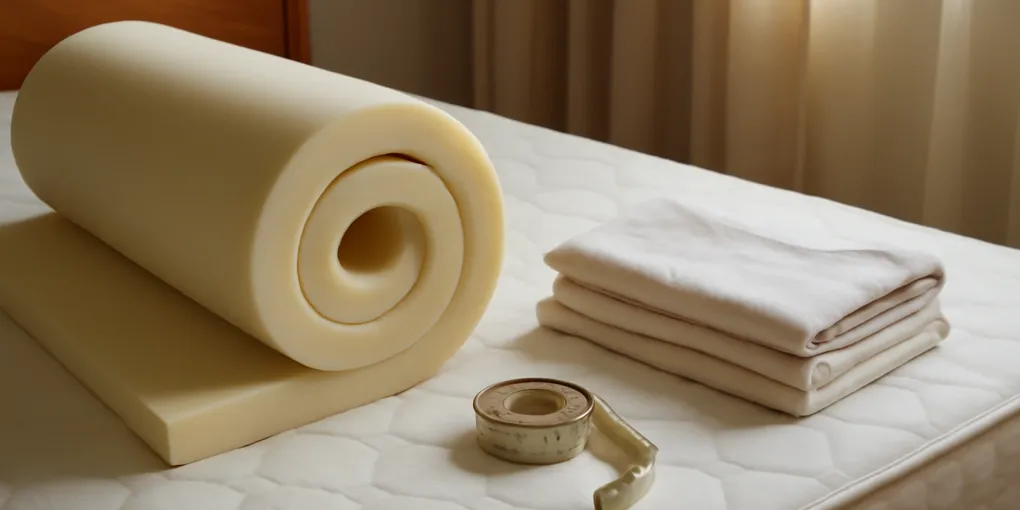
Quick picks
| Product | Key Specs |
|---|---|
| See price on Amazon |
|
| See price on Amazon |
|
| See price on Amazon |
|
Product availability, certifications, and retailer details can change; check the current Amazon page before buying.
A topper is a tuning part, not a new support system. It can make a flat mattress feel softer, cooler, or more washable, but it cannot remove a valley in the middle of a worn-out bed. The fastest way to waste money is to buy a thick topper for a mattress that is already sagging. The second-fastest way is to replace a mattress when the real problem is pillow height, heat buildup, or a thin comfort layer.
A topper is a targeted surface fix, not a rescue plan for a collapsing mattress. Work through the bed’s age, sagging, support, and return-window evidence before deciding whether a softer layer or a full replacement is the better spend.
Quick picks
- Check for sag first: Search Amazon for Tempur-Pedic TEMPUR-Adapt mattress topper when a firm but flat mattress needs a reversible pressure-relief layer.
- Match the fix to the symptom: Search Amazon for Slumber Cloud Performance mattress pad when surface hygiene or protector feel is the issue, not mattress support.
- Protect the return window: Search Amazon for Helix Midnight mattress when sagging, edge collapse, or motion transfer means the core has failed.
Comparison shortlist
| Buy/search action | Best fit | Main caveat |
|---|---|---|
| Search Amazon for Tempur-Pedic TEMPUR-Adapt mattress topper | Measuring the actual bedroom problem before spending more | Check dimensions, cleaning instructions, and return terms before ordering. |
| Search Amazon for Slumber Cloud Performance mattress pad | Changing the layer closest to the sleeper | Avoid products that hide basic materials or warranty exclusions. |
| Search Amazon for Helix Midnight mattress | Solving the specific comfort bottleneck | Do not let a gadget replace fixing obvious light, sound, or climate problems. |
Measure the bed before you shop
Strip the bed and look for visible dips, raised seams, broken slats, and protector bunching. Measure sag with a straight edge if the surface looks uneven. A topper can soften a flat bed, but it will conform to a valley that already exists underneath.
When a topper is enough
A topper is reasonable when the mattress is supportive, the complaint is surface pressure, and the return cost of a full mattress is high. It is also useful for guest beds that feel too firm. Choose thickness by symptom: modest pressure may need two inches, while sharp shoulder pressure may need more.
When replacement is the honest answer
Replace the mattress when the support core is sagging, motion transfer has become severe, or both partners roll toward the same low spot. Adding foam on top can hide the problem for a few nights, but it usually raises heat and makes the hammock deeper.
A four-night diagnostic protocol
Night one, remove unnecessary pads and judge the mattress alone. Night two, change pillow height if neck angle is wrong. Night three, add a thin breathable protector if heat is the issue. Night four, decide whether pressure remains on an otherwise level bed. Only then choose topper or replacement.
Practical score for this purchase
| Criterion | Weight | How to apply it |
|---|---|---|
| Research | 30% | Use product specifications and room observations before trusting broad claims. |
| Evidence quality | 25% | Give more weight to measurable fit, material, noise, light, or climate details than to vague comfort language. |
| Value | 20% | Include accessories, subscriptions, replacement parts, and return friction. |
| User signals | 15% | Keep the product only if it improves the exact morning or bedtime problem you recorded. |
| Transparency | 10% | Prefer brands that publish dimensions, materials, care instructions, warranty limits, and trial terms. |
The sag test before buying anything
Strip the bed, look across the surface in daylight, and press along the hip zone, shoulder zone, and edges. If there is a visible valley, a topper will only make the valley softer. Put a straight broom handle or yardstick across the mattress and measure the deepest gap. Also check the foundation: weak slats, a bowed box spring, or a frame without center support can mimic mattress failure. Fixing the base is cheaper than replacing a mattress and safer than stacking foam on a collapsing support system.
Topper thickness and material choices
Two inches is a surface-tuning purchase. It can reduce shoulder pressure or add a little plushness without radically changing support. Three inches or more changes the bed more dramatically and can create alignment problems for smaller sleepers or stomach sleepers. Memory foam gives the most obvious pressure relief but can run warm. Latex feels springier and easier to move on. Wool and fiber toppers change surface feel and moisture handling more than deep pressure relief. Match the material to the specific complaint instead of buying the thickest option.
FAQ
Is a 3-inch topper better than a 2-inch topper?
Not always. Three inches can help sharp shoulder pressure, but it can also add heat and reduce stability. Use the thinnest topper that solves the pressure problem.
Will a topper fix back pain from an old mattress?
Usually no if the mattress is sagging or hammocking. A topper can soften a flat supportive bed, but it cannot rebuild a worn support core.
Should I buy a cooling topper or cooling sheets first?
Try cooling sheets or a breathable protector first if the mattress support feels good. Use a cooling topper or pad when the surface itself remains warm after simpler layer changes.